

The S&P 500 closed lower as weakness in technology stocks outweighed solid corporate earnings and resilient U.S. economic data. Semiconductor shares remained under pressure despite Taiwan Semiconductor Manufacturing Company’s (TSMC) blockbuster quarterly results, while investors also reacted to renewed hawkish comments from the Federal Reserve.
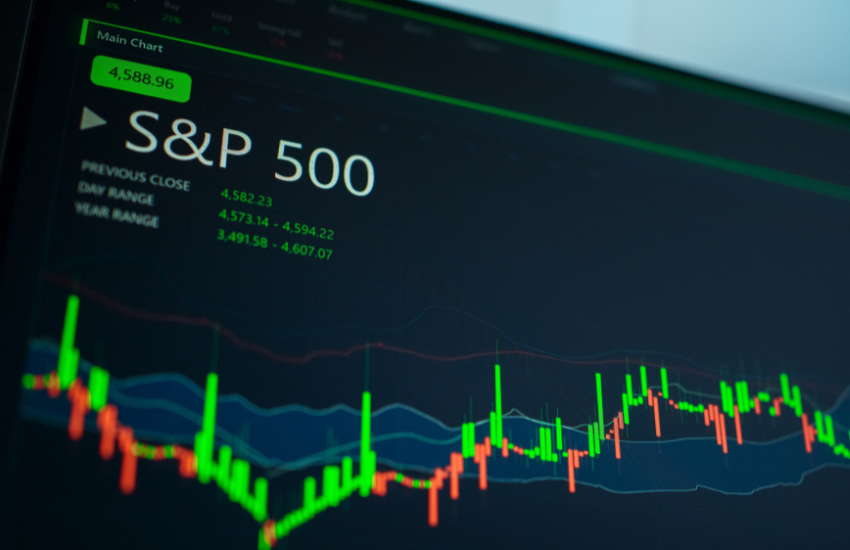
The S&P 500 fell 0.51% to 7,533.61, the Nasdaq Composite dropped 1.47% to 25,881.95, and the Dow Jones Industrial Average slipped 0.20% to 52,553.62.
Technology stocks led the market lower after TSMC reported another record quarter. The world’s largest contract chipmaker posted a 77% year over year increase in net profit to T$706.6 billion (approximately US$22 billion), comfortably beating market expectations.
TSMC also raised its 2026 capital expenditure guidance to between US$60 billion and US$64 billion, reflecting continued confidence in long term artificial intelligence infrastructure demand. However, investors remained cautious over rising spending costs and potential pressure on future margins. As a result, TSMC’s U.S. listed shares declined 2.3%, extending the recent weakness across semiconductor stocks. 3
AI Investment Under Scrutiny
The market’s muted response to TSMC’s strong earnings highlights growing investor caution toward artificial intelligence related stocks.
Although demand for AI infrastructure remains robust, investors are increasingly focused on elevated valuations and rising capital expenditure commitments from major technology companies.
Attention now turns to upcoming earnings from Alphabet, Intel, IBM, Texas Instruments, Tesla, Microsoft, Meta, Amazon, Qualcomm, Arm, and Apple, with investors expected to closely monitor their AI investment plans and future spending guidance.
Investor sentiment also weakened after Dallas Federal Reserve President Lorie Logan said she currently believes “modestly higher” interest rates would better balance inflation and employment risks.
Although recent CPI and PPI reports indicated easing inflation, Logan warned that inflation risks remain elevated, particularly if energy prices continue rising. Her comments added uncertainty ahead of the Federal Reserve’s policy meeting on 28 to 29 July.
The latest session demonstrates that strong corporate earnings alone may no longer be enough to support technology stocks. Investors are increasingly focused on capital expenditure, valuations, Federal Reserve policy, and geopolitical risks.