

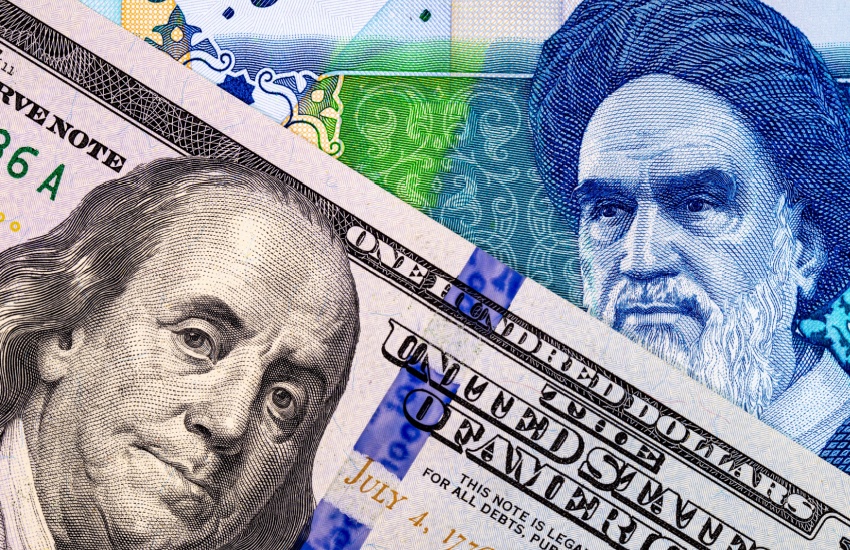
Asian equity markets retreated on Friday, May 8, as geopolitical risks returned to the spotlight, shaking investor confidence across the region. Renewed uncertainty surrounding the fragile ceasefire between the United States and Iran triggered a wave of cautious sentiment, particularly after fresh military activity near the strategically critical Strait of Hormuz.
Major regional indices slipped into negative territory. Japan’s Nikkei 225 fell around 0.66%, China’s Shanghai Composite Index dropped more than 0.4%, while Hong Kong’s Hang Seng Index led losses with a sharper decline of about 1.3%. The pullback reflects a broader shift toward risk aversion as traders reassess geopolitical exposure.
Tensions escalated after reports that US naval forces intercepted Iranian strikes in the region, followed by retaliatory action. The developments revived fears that the month-long truce could collapse at any moment, especially given the strategic importance of the Hormuz route for global oil supply. Any disruption in this corridor could quickly translate into higher energy prices and inflationary pressures worldwide, factors that equity markets are highly sensitive to.
Despite the escalation, Donald Trump stated that the ceasefire remains in place, attempting to calm markets. However, his warning that renewed attacks would clearly signal the end of the truce has done little to reassure investors. The lack of a definitive breakthrough in diplomatic negotiations continues to cloud the outlook.
On the diplomatic front, Iran is still evaluating a US-proposed memorandum outlining a 14-point peace framework. The proposal includes extended restrictions on Tehran’s nuclear program and calls for the immediate reopening of the Hormuz passage. The absence of a firm response from Iran adds another layer of uncertainty, prolonging market hesitation.
Beyond geopolitics, attention is also turning to key economic data. Investors are closely watching the upcoming release of the US Nonfarm Payrolls report, a crucial indicator that could shape expectations around interest rate policy. A stronger-than-expected labor market reading may reinforce the case for tighter monetary policy, potentially strengthening the US dollar and putting additional pressure on Asian equities. Conversely, weaker data could revive hopes of rate cuts, offering some relief to risk assets.
The combination of geopolitical instability and macroeconomic uncertainty creates a complex environment for investors. In the near term, market direction will likely hinge on two critical variables: whether tensions in the Middle East escalate further, and how US economic data influences the trajectory of interest rates. Until clearer signals emerge, volatility in Asian markets is expected to remain elevated.