

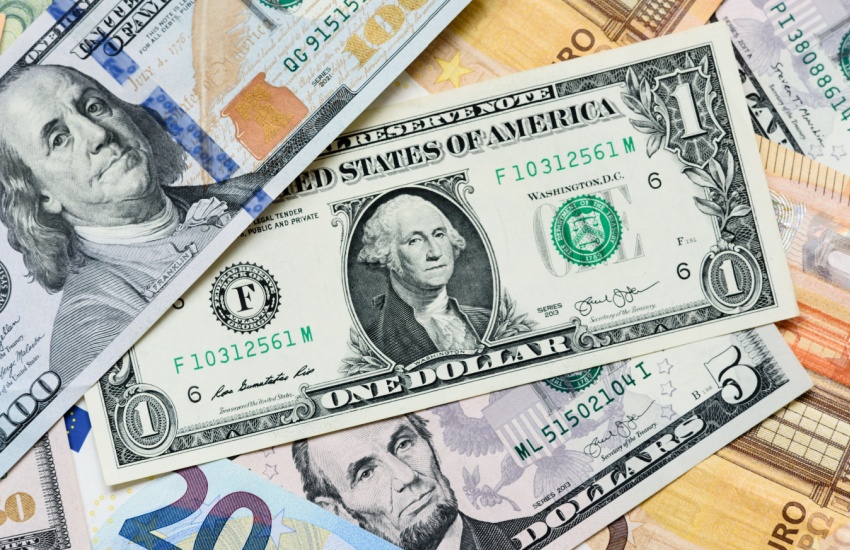
The US Dollar Index (DXY), which tracks the performance of the US Dollar against a basket of six major currencies, continued to advance on Monday, May 11, holding its ground around the 98.10 level during Asian trading hours after experiencing modest losses in the previous session.
The Greenback’s strength comes amid rising global risk aversion, largely driven by escalating geopolitical tensions between the United States and Iran. Recent developments show that Donald Trump and Iranian officials have dismissed each other’s latest peace initiatives, reducing hopes for a near-term resolution to the ongoing Middle East conflict. According to reports, President Trump rejected Iran’s latest proposal outright, labeling it as “totally unacceptable,” signaling a firm stance from Washington.
On the other side, Iranian state media indicated that Tehran’s response focused on broader regional concerns, including the need to end hostilities across multiple fronts, particularly in Lebanon. Iranian officials also highlighted the importance of ensuring the security of international shipping routes, especially through critical waterways, although they did not provide specific details on how or when these routes could be fully secured or reopened.
The continued uncertainty surrounding the Middle East conflict, coupled with a fragile and uneasy ceasefire between the US and Iran, has contributed to a more cautious tone in global financial markets. As a result, investors are increasingly turning to safe-haven assets, boosting demand for the US Dollar. This trend could continue to exert pressure on major currency pairs in the near term, particularly those sensitive to risk sentiment.
In addition to geopolitical drivers, the US Dollar is also finding support from the latest labor market data released by the Bureau of Labor Statistics. The report showed that US Nonfarm Payrolls increased by 115,000 in April. While this figure represents a slowdown compared to the revised 185,000 jobs added in March, it still exceeded market expectations, which had forecast an increase of only 62,000.
Meanwhile, the Unemployment Rate remained unchanged at 4.3% in April, in line with analysts’ projections. The steady unemployment figure suggests that, despite some moderation in job growth, the overall labor market remains relatively stable.
Taken together, the combination of heightened geopolitical tensions and resilient economic data is helping to underpin the US Dollar’s strength. With risk sentiment still fragile and global uncertainties persisting, the Greenback may continue to attract safe-haven flows, supporting its position in the near term.