US Futures Rise as Nasdaq Rally Stalls

U.S. stock futures edged slightly higher early Tuesday, April 21, signaling a cautious rebound after the Nasdaq Composite ended its 13-day winning streak in the previous session.
Futures linked to the S&P 500 rose 0.14%, while Nasdaq-100 futures gained 0.25%. Meanwhile, contracts tied to the Dow Jones Industrial Average added 69 points, also up 0.14%, reflecting modest investor optimism.
Monday’s session saw all three major indices close lower, pressured by escalating tensions between the United States and Iran. The S&P 500 slipped 0.24%, the Dow declined 0.01%, and the Nasdaq Composite fell 0.26%, marking the end of its longest winning run since 1992.
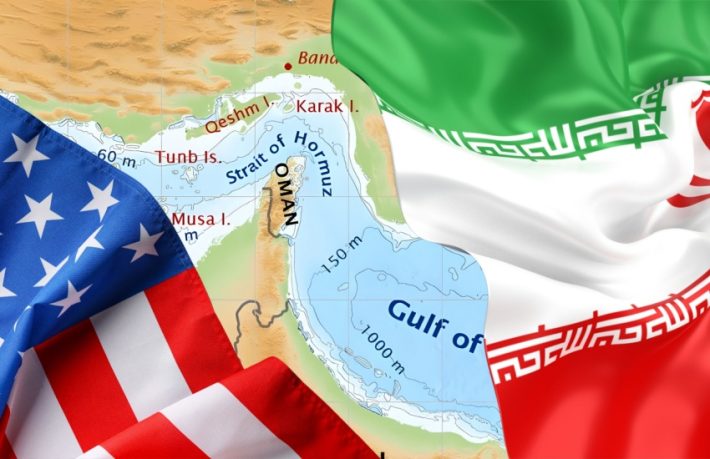
The decline followed comments from Donald Trump, who stated that U.S. forces had seized an Iranian-flagged cargo vessel in the Gulf of Oman. This development came shortly after Iran announced it would not engage in a new round of negotiations with Washington, raising concerns as a temporary ceasefire nears expiration.
Despite these geopolitical headwinds, market sentiment remains broadly constructive. According to Ohsung Kwon of Wells Fargo, equities could still move higher in the near term. Speaking on Closing Bell: Overtime on CNBC, Kwon projected the S&P 500 could reach 7,300 by July—around 3% above current levels—highlighting confidence in economic resilience.
Investors are also preparing for a busy earnings calendar, with major companies including UnitedHealth, Danaher, GE Aerospace, 3M, Northrop Grumman, Halliburton, Quest Diagnostics, RTX, Tractor Supply, and Genuine Parts set to report before the opening bell. March retail sales data is another key release that could influence market direction.
On the policy front, attention is turning to Kevin Warsh, whose confirmation hearing is in focus. In prepared remarks, Warsh emphasized the importance of maintaining Federal Reserve independence, cautioning against involvement in political or social agendas. He stressed that the central bank must remain committed to its core mandate.
Overall, while geopolitical risks continue to drive short-term volatility, underlying confidence in economic stability and corporate performance is helping support the broader market outlook.