


In this article, we’ll explore volatility in financial markets, a critical concept for traders and analysts alike. Understanding and mitigating the risks associated with market volatility can uncover both challenges and opportunities.
It is also important to keep in mind that there are ways to reduce the risk of volatility in the markets. It is vital to clarify that not all markets are volatile; some are more prone to volatility than others.
Having said that, let’s talk more in-depth about volatility and what aspects you should keep in mind when volatility appears in the market.
What does volatility refer to?
Volatility is a statistical measure of the price changes of an asset over time, reflecting the market’s fluctuation levels.
Generally, volatility is considered risky, because the market is continuously fluctuating. However, for many analysts, a volatile market has potential risks and an abundance of opportunities, depending on the individual.
What factors influence volatility?
The first thing to keep in mind is that the financial market is volatile by nature. Even though the charts always go up and down, depending on the situation in the markets, there will be much more pronounced ups and downs. Additionally, fluctuations can be of long duration or can be a matter of hours, minutes or seconds.
Normally, there are different factors that can generate more or less volatility. Some factors can be:
- Large-scale political events.
- Changes in fiscal policies
- Changes in interest rates
- Natural disasters or extreme weather conditions
- Increased supply or demand for a specific digital asset
Types of volatility
After having mentioned the factors that can generate volatility, it is time to talk about the types of volatility.
Implied volatility
Implied volatility refers to the market’s forecast of a likely movement in an asset’s price.
Historical volatility
Historical volatility, also known as realized volatility, is a statistical measure of how the returns of a specific asset fluctuate when analyzed over a limited period of time. Generally, historical volatility is measured by establishing the average deviation of a financial instrument from its average over a set period of time.
How to Adapt When Market Volatility Rises
Markets have faced and will continue to face crises with high volatility. That is why previous experience is important because it shows that when the necessary measures are taken and certain factors are taken into account, it is possible to overcome the situation.
According to the situation and the volatility of the market at the time, the following recommendations can be taken into account:
Identify Your Investor Type
At times when volatility is soaring, it is important to first know your profile as an investor, understand your risk level, determine how much you are willing to risk, and build a diverse investment portfolio based on these factors. This is how we could be better prepared for a market where volatility is high.
Analyze the reasons for the type of investor profile you are, know if you are a risk taker or a conservative, and above all keep calm in case of any eventuality. For example, if you are someone who adapts to conditions when volatility is high, you can analyze and decide whether to enter the market or evaluate if you want a different profile for future investments.
That moment is very important to know yourself as an investor and to decide if you can really tolerate the risk that you have set for yourself.
Define Your Trading Goals
When we start hearing about market movements and volatility during a crisis, there may be fear that the situation is only negative. However, it is vital to remember the objective and time frame of your investment and not get carried away by the uncertainty, as the volatility of that moment may not directly affect your investment or investments in your portfolio.
With this in mind, two options arise: first, if you consider that your objective may be affected in the short or medium term, then a review may be necessary. Market volatility may become the perfect time to think about whether you really have the desired objective.
Second, if your goal is long-term, market price fluctuations may not significantly affect your investment, and you may have more confidence in your strategy.
In theory, the longer the time horizon for the objective, the greater the risks that can be faced because they diminish over time. However, you have to consider whether you are willing to accept price drops along the way. More experienced traders often say that the market rewards those who accept volatility.
In summary, the question can be asked: should the target change because the markets have become more volatile or can it stay?
Diversify Investments
Having investments from both multiple assets and different sectors will greatly reduce the likelihood of losses or investment returns falling dramatically. In fact, one of the basic rules of investing is to never invest all your money in a single product, because the risk of losing it all because of a bad trade is higher.
Diversifying can also be a way to find out which type of product best suits your profile as a trader and in which assets you prefer not to put your money. The alternatives offered by different diversification strategies will be the best option, and if they do not work, you can look for other options.
Explore Alternative Investments
Alternative investment assets can be a viable option when thinking about how to make money profitable with fixed returns and that have the advantage of not depending directly on the markets.
Stay Disciplined During Volatility
As mentioned before, the crisis can provide opportunities as well as generate losses. For this reason, it is not advisable to choose only one of the two sides, only sell or only buy. It is important to analyze to see what best suits your financial objective and profile as an investor.
Assess Your Financial Position
Volatility can be an indicator to find out if you are able to invest or not. This means that, although you may be concerned about the money invested, if you depend exclusively on this money to cover your daily needs or urgent needs, you should analyze your budget and, based on this, determine if you can allocate part of the profits for investment.
In this way, you will be able to determine if it is time to lower the amount you normally use for investment or if you should increase the percentage you deposit in an emergency fund.
In the face of a volatile scenario, stay calm and composed
Experience says that markets tend to recover, that is why it is not a good option to make decisions driven by impulse, it is better to try to remain calm in the face of uncertainty. There is a well-known phrase that says, “what the market takes away, the market gives back.” That said, patience will be your best friend in the financial markets.
In addition to the above, it will always be difficult to have control of volatility, so you can focus on what is under your control: saving. When you save and have an emergency fund, you have already won a great deal.
Conclusion
Although some people have a negative idea of volatility in the financial markets, it can actually work to increase your earning potential if you analyze and make decisions calmly and are a friend of patience.
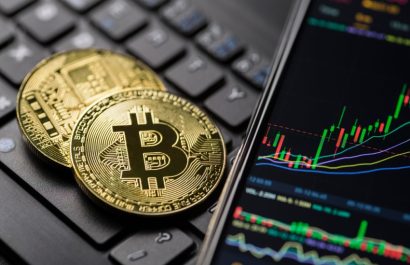
For example, Bitcoin-like cryptocurrencies tend to be extremely volatile, yet that is the reason why its trading has been so successful in recent times. Once you understand volatility and how it affects asset prices, you can generate profits from these price fluctuations.
Finally, remember not to invest more than you can afford to lose, and if possible, invest in different assets.