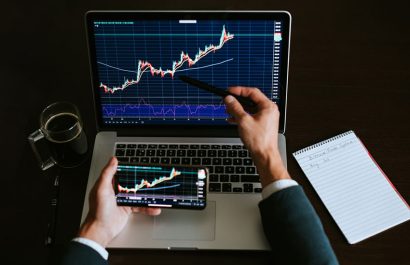



ImaImagine capitalizing on every investment decision within hours. That’s exactly what day trading offers—an intriguing yet often misunderstood method in the world of finance. It’s not just about buying low and selling high; it demands precision, speed, and a deep understanding of market psychology.
What is Day Trading?
Day trading refers to the practice of buying and selling assets within the same trading day. Unlike long-term investors who look for value over weeks, months, or even years, day traders focus on short-term price movements, often within minutes.
Essential Features of Day Trading
Day trading is fast-paced and requires unwavering attention. Traders execute multiple transactions daily, relying on sharp focus and quick decision-making. Here are its key features:
- Frequent Transactions: Day traders may execute anywhere from a handful to hundreds of trades in one day, depending on their strategy and market dynamics.
- Leverage Usage: Leverage enables traders to operate with more capital than they actually have, amplifying both potential profits and losses.
- Constant Monitoring: Day traders must stay alert to market shifts, using sophisticated automated systems or spending long hours in front of screens.
- Technical Analysis: Dependence on technical indicators and chart patterns is crucial for making informed trading decisions.
- Risk Management: Strategies like stop-loss and stop-limit orders are essential to reduce potential losses and protect capital.
The Rise of Day Trading
Day trading has surged in popularity with technological advances and the rise of online trading platforms, making financial markets more accessible than ever. These days, anyone can trade from the comfort of their home with just a computer and an internet connection. But how did day trading evolve, and what does a day trader’s routine really look like?
Markets Commonly Used for Day Trading
Day trading can be applied to various financial markets, each offering unique opportunities. Here are some of the most common ones:
- Stock Market: Provides a wide range of stocks, from large-cap to small-cap, with differing levels of liquidity and volatility.
- Foreign Exchange Market (Forex): Known as the world’s largest and most liquid market, it operates 24/5, allowing traders to leverage different time zones.
- Futures Market: Focuses on contracts that anticipate the future delivery of goods or financial assets, offering heightened liquidity and leverage.
- Options Market: Allows traders to make transactions at predetermined future prices using tools like “calls” and “puts.”
- Cryptocurrency Market: Highly volatile and open 24/7, it offers continuous trading opportunities for ambitious traders.
Mastering the distinct rules and strategies specific to each market is crucial for achieving long-term success in day trading.
Advantages and Risks of Day Trading
Day trading presents both significant opportunities and challenges.
Advantages
- Potential Quick Profits: Traders can profit from daily market fluctuations in short periods.
- Risk Management: Positions are closed by the end of the day, reducing exposure to overnight market risks.
- Leverage Usage: Amplifies trading capital, boosting the potential for higher returns.
- Diverse Strategies: Flexibility to go long, short, or explore derivatives like options.
- Continuous Learning: Ongoing opportunities to refine expertise and build skills.
Risks
- High Risk: Volatility and leverage can lead to significant and rapid losses.
- Time-Intensive: Requires constant vigilance, consuming a lot of time and energy.
- Transaction Costs: Repeated trades result in substantial fees, eating into profits.
- Psychological Stress: The need for split-second decisions can create enormous pressure.
- Steep Learning Curve: Success requires considerable time, practice, and financial resources to reach proficiency.
Conclusion: Master the Art and Science of Day Trading
Day trading is not merely an avenue for rapid gains; it is a discipline that demands relentless strategy, rigorous risk management, and a command over market analysis. Success in this arena hinges on the ability to synthesize technical insights with real-time decision-making under pressure.
For expert traders, day trading offers a dynamic environment to refine advanced techniques, capitalize on fleeting opportunities, and construct diversified strategies across multiple markets. However, seasoned professionals understand that sustained success is rooted in preparation—through continuous education, back-testing theories, and adapting to evolving market conditions. For those willing to engage with precision and resilience, day trading can provide a platform for innovation, growth, and substantial financial achievement.