


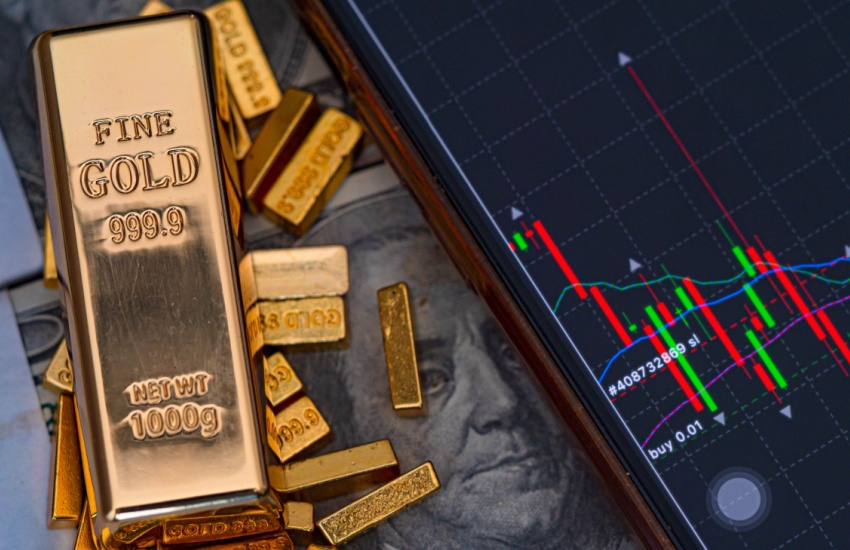
Gold prices traded little changed on Friday as investors balanced optimism over easing tensions between the United States and Iran against growing concerns that rising energy costs could keep inflation elevated and delay interest rate cuts.
Spot gold hovered near $4,496 per ounce, while U.S. gold futures slipped slightly to around $4,526 per ounce during Asian trading hours.
The precious metal experienced sharp volatility this week. Gold initially dropped to its lowest level in two months before recovering strongly after reports emerged that Washington and Tehran were preparing to resume diplomatic negotiations. The rebound helped bullion finish the previous session with gains despite earlier losses.
Market sentiment improved after reports suggested that the United States and Iran had reached a preliminary understanding to extend a 60 day ceasefire and maintain safe passage through the strategically important Strait of Hormuz. However, the proposal still requires approval from U.S. President Donald Trump and formal confirmation from Iranian authorities.
Gold is traditionally viewed as a safe haven asset during periods of geopolitical uncertainty. However, investors are increasingly focused on another consequence of Middle East tensions: higher oil prices. Rising energy costs have the potential to fuel inflation across the global economy, creating challenges for central banks and financial markets.
Analysts believe that sustained inflation could force the U.S. Federal Reserve to maintain higher interest rates for a longer period. Such an environment is generally unfavorable for gold because the metal does not generate interest income, making it less attractive compared with yield bearing assets.
Fresh economic data released on Thursday reinforced those concerns. The U.S. Personal Consumption Expenditures Price Index, the Federal Reserve’s preferred measure of inflation, rose 3.8% year over year in April, marking its fastest pace in nearly three years.
The stronger than expected inflation reading strengthened expectations that borrowing costs may remain elevated well into next year. While Treasury yields eased slightly following the report, they remained near multi month highs, limiting gold’s upside potential.
Despite recent swings, gold is on track to finish the week relatively unchanged as traders continue to react to developments in the Middle East and evolving expectations for U.S. monetary policy.
Other precious metals also traded lower on Friday. Silver declined to around $75.52 per ounce, while platinum fell to approximately $1,915 per ounce as investors remained cautious ahead of further geopolitical and economic developments.