


Are you ready to take your trading career to the next level? Mastering the basic tools of trading is not just an advantage—it is a necessity if you truly want to succeed in the financial markets. In an environment where volatility, speed of information, and decision-making play a crucial role, having the right tools can mean the difference between a profitable trade and a significant loss.
Below, we will explore in depth five essential tools that every trader—whether beginner or experienced—should know and master. These tools will not only help you make more informed decisions, but also enhance your ability to identify opportunities, manage risk, and maintain a clear vision amid market uncertainty.
1. Technical Analysis: The Language of Charts
Technical analysis is a methodology widely used in the trading world to study and predict future price movements based on historical data. Rather than focusing on external factors such as the global economy or a company’s financial performance, technical analysis focuses on visual patterns and trends that appear on price charts.
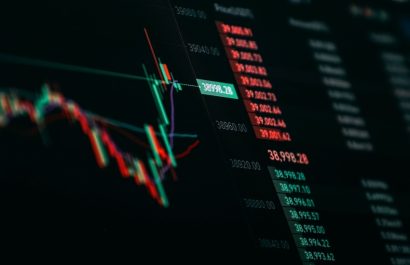
Through tools such as candlestick charts, technical indicators (such as RSI, MACD, or moving averages), and chart patterns (such as triangles, head-and-shoulders, or flags), traders attempt to identify optimal entry and exit points. These patterns tend to repeat themselves due to the collective psychological behavior of market participants, making technical analysis a valuable tool for anticipating market reactions.
In addition, properly reading key support and resistance levels, as well as analyzing volume, allows for a better understanding of the strength of a movement and more confident decision-making. Not mastering technical analysis is like sailing without a compass—you can move forward, but without a defined course.
2. Fundamental Analysis: Understanding Real Value
While technical analysis focuses on the what and when of price, fundamental analysis answers the why. This tool is based on studying economic, financial, and political factors that directly affect the intrinsic value of an asset. It is especially relevant for medium- and long-term trades, although it can also have applications in the short term, such as in news trading.
Fundamental traders examine macroeconomic data such as interest rates, inflation, gross domestic product (GDP), employment figures, and central bank decisions. In the case of stocks, they also study financial statements, earnings per share, projected growth, and industry competitors.
This analysis allows you to identify undervalued or overvalued assets, creating strategic investment opportunities. It also provides context—for example, knowing that the Federal Reserve plans to raise interest rates can help you anticipate movements in the U.S. dollar.
3. Trading Platforms: Your Gateway to the Market
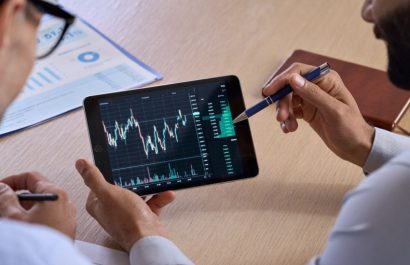
Trading platforms are the practical tool that connects traders to financial markets. They are digital interfaces that allow you to execute trades, analyze charts, manage orders, and access real-time news and economic indicators.
Some of the most popular platforms include MetaTrader 4 and 5, TradingView, cTrader, and Thinkorswim. These offer features such as backtesting, the use of bots or expert advisors, customized alerts, integration with demo accounts, and more.
Choosing a good platform is not just about aesthetics or convenience. It’s about efficiency, speed of execution, variety of instruments available (stocks, currencies, indices, cryptocurrencies, etc.), and reliability. A professional trader values every second and every click, because a successful trade can depend on them.
If you are a beginner, look for platforms that offer free demo accounts to practice without risking real capital. Also consider customer support, security, transparency in commissions, and available analytical tools.
4. Risk Management: The Art of Protecting Your Capital
One of the most common mistakes among novice traders is to focus solely on winning, without establishing clear rules for losing. Risk management is probably the most underrated but most decisive tool in a trader’s life.
Risk management techniques include the use of stop-loss (to limit losses), take-profit (to secure profits), and proper position sizing, which allows each trade to be tailored to the size of the account and the trader’s risk profile.
A commonly accepted rule is to not risk more than 1% or 2% of your total capital on a single trade. This prevents a losing streak from ruining your account. It is also essential to diversify your portfolio and avoid over-leveraging, which can dangerously multiply both profits and losses.
Implementing a good risk management strategy not only protects you from financial disaster, but also improves your discipline, reduces emotional stress, and promotes rational decision-making.
5. Education and Community: The Foundation of Steady Growth
Finally, no tool is as powerful as knowledge and collective support. Continuing education and participation in trading communities are essential for staying up to date and motivated in a constantly evolving environment.
There are numerous educational resources available: online courses, books, webinars, specialized YouTube channels, podcasts, and much more. Investing time in learning about new strategies, trading psychology, economic data interpretation, and market analysis is an investment with guaranteed returns.
In addition, being part of an active community—whether in forums, Telegram groups, Discord, or social media—allows you to exchange ideas, learn from others’ mistakes, and receive constructive feedback. Trading can be a lonely activity, but it doesn’t have to be. Sharing your experience with others can help you stay focused, avoid common mistakes, and discover new opportunities.
Conclusion: Mastering the Tools, the Key to Sustainable Success
In summary, understanding and correctly using these five essential tools—technical analysis, fundamental analysis, trading platforms, risk management, and continuing education—is not a luxury, but a basic requirement for trading effectively in the financial markets.
Technical and fundamental analysis offer a dual perspective: one shows price behavior, the other reveals the reasons behind that behavior. Trading platforms act as your control center, while risk management is your protective shield against volatility. Finally, education and the support of a community of traders give you the perspective and guidance you need to grow steadily.
Entering the world of trading without these tools would be like jumping into the sea without a compass, a life jacket, or knowledge of the weather. Instead, by integrating them into your daily routine, you develop not only a competitive advantage, but also lasting financial skills and a deeper understanding of how the economic world works.
Success in trading does not happen by accident. It is the result of preparation, discipline, and knowledge. And it all starts with the right tools.