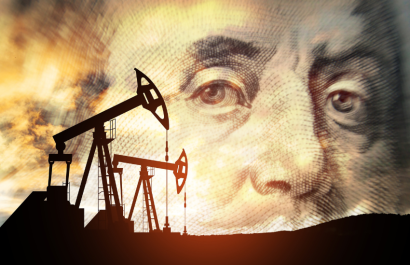



U.S. stock futures fell sharply on Monday, March 9, signaling a turbulent start to the trading week as oil prices surged toward $120 per barrel amid escalating tensions in the Middle East. Futures linked to the Dow Jones Industrial Average dropped more than 800 points, while S&P 500 and Nasdaq-100 futures fell around 1.6%, reflecting growing investor anxiety about inflation and global economic risks.
The market reaction followed a dramatic spike in crude oil prices triggered by disruptions to energy supply routes and production cuts across major Middle Eastern producers.
Oil Prices Record Historic Spike After Strait of Hormuz Disruption
Global energy markets experienced one of their most dramatic surges in decades. Oil prices climbed above $100 per barrel for the first time since 2022, with Brent crude moving toward the $120 level as supply fears intensified.
The surge came after severe disruptions in the Strait of Hormuz, a strategic shipping route responsible for roughly 20% of the world’s oil supply. Military conflict and security risks caused tanker traffic to collapse and forced several producers, including Kuwait and the United Arab Emirates to curb production.
With the key shipping lane effectively constrained, traders began pricing in the possibility of prolonged supply shortages, pushing energy markets sharply higher.
Asian Market Sell-Off Signals Global Risk Aversion
The surge in oil prices triggered a major sell-off across Asia before U.S. markets opened. South Korea’s Kospi index plunged more than 8%, even triggering a trading halt, while Japan’s Nikkei 225 dropped over 6%. Other regional benchmarks in Hong Kong, Australia, and mainland China also moved lower.
The decline highlights how rising energy costs can rapidly ripple across global markets, increasing production costs, inflation pressure, and fears of slower economic growth.
Inflation and Economic Growth Concerns Weigh on Investors
Economists warn that sustained oil prices above $100 per barrel could push global inflation higher and complicate monetary policy decisions for central banks. Energy shocks historically raise transportation, manufacturing, and consumer costs, which can slow economic activity.
The ongoing geopolitical conflict in the Middle East has already disrupted energy markets and could continue to affect global supply chains if tensions escalate further.
Markets Brace for Continued Volatility
With the conflict showing little sign of easing, analysts expect financial markets to remain volatile in the coming weeks. Any further disruption to oil exports or escalation of hostilities could push crude prices even higher and deepen the sell-off in global equities.
For investors, the focus now shifts to how policymakers, energy producers, and central banks respond to the unfolding oil supply shock and geopolitical crisis.