


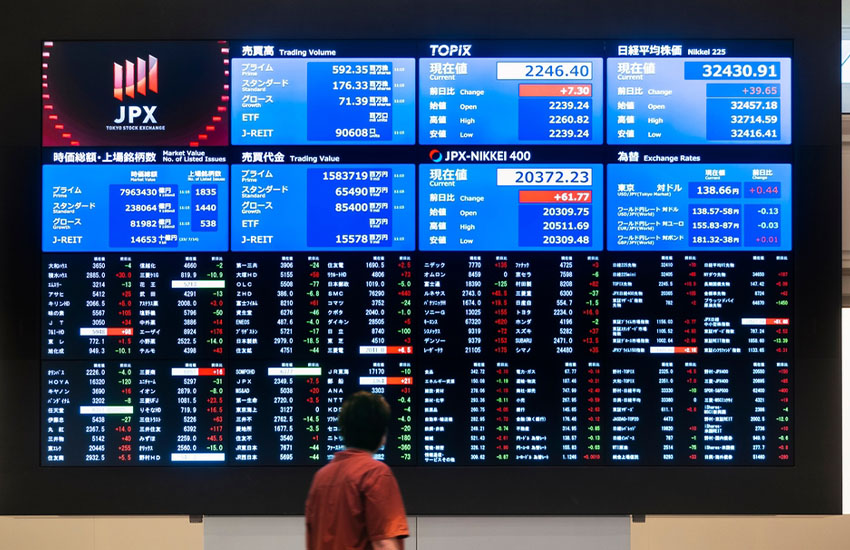
The EUR/JPY currency pair pushed above the 185.00 level, trading near 185.20 during Thursday’s early European session, April 9, as the Japanese Yen (JPY) faced renewed pressure. Market sentiment continues to tilt in favor of the Euro (EUR), driven by fiscal policy concerns in Japan and a more aggressive stance from the European Central Bank.
Yen Under Pressure Amid Fiscal Expansion Concerns
The Japanese Yen has weakened as investors grow cautious about the possibility of increased government spending in Japan. Analysts suggest that expectations of fiscal expansion are undermining confidence in the currency, making it less attractive in the short term.
According to a report by Reuters, geopolitical tensions in the Middle East are also influencing market sentiment. A fragile ceasefire involving the United States and Iran appears uncertain, while ongoing conflict involving Israel and Hezbollah continues to escalate risks. This prolonged instability is prompting speculation that governments may adopt more expansionary fiscal policies—further weighing on the Yen.
Market analyst Sho Suzuki from Matsui Securities noted that the extended geopolitical tensions are reinforcing expectations of looser fiscal policy, contributing directly to the Yen’s decline.
BoJ Rate Hike Expectations May Limit Yen Losses
Despite the current weakness, the Yen could find support from potential monetary tightening by the Bank of Japan. Markets are increasingly pricing in a possible interest rate hike at the BoJ’s upcoming April meeting.
Economist Tomohisa Fujiki estimates there is up to a 70% probability of such a move. If realized, this could provide a counterbalance to the Yen’s recent losses and potentially slow the EUR/JPY rally.
ECB’s Hawkish Tone Boosts Euro Strength
On the European side, the Euro continues to gain support from a more hawkish outlook by the ECB. Policymakers, including Pierre Wunsch and Dimitar Radev, have indicated that further interest rate hikes remain on the table if inflationary pressures persist.
While an April rate hike is still being debated, many officials lean toward a possible move in June. This tightening bias strengthens the Euro and adds upward momentum to the EUR/JPY pair.
Key Data to Watch
Investors are also awaiting Germany’s Industrial Production data for February, which could influence near-term Euro performance. Strong data may reinforce bullish sentiment, while weaker figures could trigger short-term volatility.
With fiscal concerns weighing on the Yen and the ECB maintaining a tightening bias, EUR/JPY may continue to trade with an upward bias. However, upcoming central bank decisions and geopolitical developments will remain critical drivers for the pair.