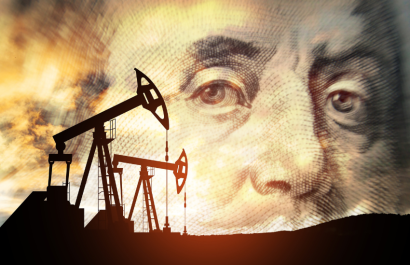



Global oil prices jumped sharply on Thursday, March 12, with Brent crude oil climbing back to the $100 per barrel level despite the largest emergency oil release ever coordinated by the International Energy Agency (IEA).
The surge reflects rising fears that the conflict in the Middle East could disrupt one of the world’s most important oil supply routes.
Oil Rally Continues as Markets Ignore Reserve Release
Oil markets gained more than 8% during Thursday trading. U.S. benchmark West Texas Intermediate crude (WTI) rose about 8.8% to around $95 per barrel, while Brent crude climbed nearly 9% to roughly $100 per barrel.
The rally continued even after the IEA announced that its 32 member countries would release 400 million barrels of oil from emergency reserves, the largest coordinated release since the agency was created after the 1973 oil embargo.
The United States will contribute the largest portion, releasing 172 million barrels from its Strategic Petroleum Reserve, with shipments expected to begin next week and continue over roughly four months.
Strait of Hormuz Risk Drives Supply Panic
Despite the historic intervention, traders remain skeptical that reserve releases can fully offset supply disruptions caused by the war.
The biggest concern centers on the Strait of Hormuz, a narrow waterway connecting the Persian Gulf to global markets. Roughly 20% of the world’s oil supply passes through this route, making any disruption a major threat to energy markets.
Analysts warn that if shipments through the strait are significantly disrupted, global supply could fall by up to 20 million barrels per day, far exceeding the volume being released from strategic reserves.
Delivery Timeline Adds More Uncertainty
Another factor unsettling markets is how quickly emergency oil reserves can actually reach buyers. Strategic stockpiles are held separately by each IEA member country, which means logistical and technical constraints could delay shipments.
Industry analysts estimate it could take 60 to 90 days before a significant amount of the released oil reaches the market, much slower than traders hoping for immediate relief.
What Should Investors Do
With oil prices surging and geopolitical tensions rising, market volatility is likely to remain high. Analysts suggest investors focus on risk management and diversification rather than reacting emotionally to short-term price spikes.
Some investors may look at energy sector opportunities, as oil and gas companies often benefit when crude prices rise. Others may choose defensive strategies such as spreading investments across commodities, energy stocks, and broader market assets to reduce risk.
Monitoring developments around the Strait of Hormuz and future policy decisions from organizations like the IEA will also be critical, as these factors could determine whether oil prices stabilize or climb even higher in the coming months.