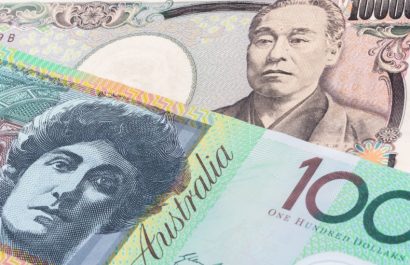



The yen (JPY) has lost nearly 10% of its value against the dollar this year, becoming the worst-performing G10 currency.
It hit a new 34-year low and breached the 157 level against the dollar (USD) after the Bank of Japan signaled that monetary policy would remain loose, fueling speculation that Japanese authorities might soon intervene in the market to curb the currency’s depreciation.
The Japanese currency depreciated by about 1.1%, reaching a low of 157.29 per dollar in New York. The move came after the Bank of Japan (BoJ) announced that it is keeping its benchmark interest rate unchanged and the president also made few comments to shore up the yen at the subsequent press conference. The currency continued to lose value despite a core inflation gauge coming in below expectations, intensifying concerns about price pressures that could delay Federal Reserve rate cuts.
The Japanese currency has already lost around 10% of its value against the dollar so far this year, making it the worst performing G10 currency. The depreciation stems from the significant disparity between U.S. interest rates—currently at multi-year highs due to the Fed’s aggressive tightening last year—and Japan’s, where borrowing costs are near zero.
Japan’s monetary authorities have repeatedly stated that they will not tolerate excessive and rapid depreciation of the yen. Japan’s Finance Minister Suichi Suzuki restated after the meeting that the Japanese government will respond appropriately to currency movements.
The minister also said that while the yen’s depreciation has both positive and negative aspects, the government is concerned about the negative aspects.
To support its currency, the country sold around 60 billion dollars that were part of its reserves in September and October 2022.
Additionally, this Friday, the Bank of Japan increased its inflation forecasts due to the recent rise in oil prices and the diminishing effects of previous measures to combat inflation.
The BoJ now estimates core inflation, excluding fresh produce, to be about 2.8% for 2024 and 2025 starting April 1, an increase from 2.4% in its previous January estimates.