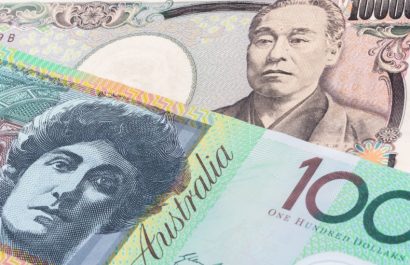



On Tuesday, the Bank of Japan (BoJ) decided to raise its short-term benchmark interest rate to 0.1%. This is the first such measure taken in 17 years, and it comes alongside the withdrawal of other stimulus measures that were applied under its monetary policy program.
The decision was made by the policy board of the Bank of Japan at its meeting on Tuesday analyzing the positive feedback loop, often referred to as the ‘virtuous circle,’ where wage and price increases stimulate each other in the world’s fourth-largest economy and estimating that there are now options to achieve the 2% inflation target in a continuous and stable manner.
In addition to raising rates, which were previously at -0.1%, the Bank of Japan has decided to end its policy of yield curve control on 10-year government bonds and to discontinue purchases of real estate investment trusts (REITs) and exchange-traded funds (ETFs).
According to the meeting’s conclusions document, the BoJ acknowledges that its ‘quantitative and qualitative monetary easing policy,’ alongside Treasury bonds control and negative interest rates, have successfully stimulated economic growth and are now being phased out as the economy stabilizes
The Japanese central bank has added that it will continue to direct its monetary policy “toward the price stability target of 2%,” and it will prioritize short-term interest rates as its primary tool for responding to inflation trends and economic developments.
Given the current economic context, the Bank of Japan estimates that accommodative financial conditions will be sustained for a period of time.
The change in course by the Japanese bank was accepted at its monetary policy meeting with a vote of 7 in favor and 2 against.
The Bank of Japan was the only central bank in the world’s major economies that maintained ultra-low interest rates, which in Japan have been in place since 2016.
That year, the Japanese entity also decided to set short-term benchmark interest rates negative in the expectation of promoting lending and boosting the economy in turn.
In that same year, its yield curve control program was added to the Treasury bond program with the aim of guiding them close to 0% and thus being able to continue with the low financing costs of the high national debt.
In making its decision, the BoJ has taken into account that the Consumer Price Index has been above 2% for some time. For fiscal year 2024, the Bank projects a 2.4% inflation rate and notes that the year’s wage negotiations have concluded with an average wage increase of 5.28%.