


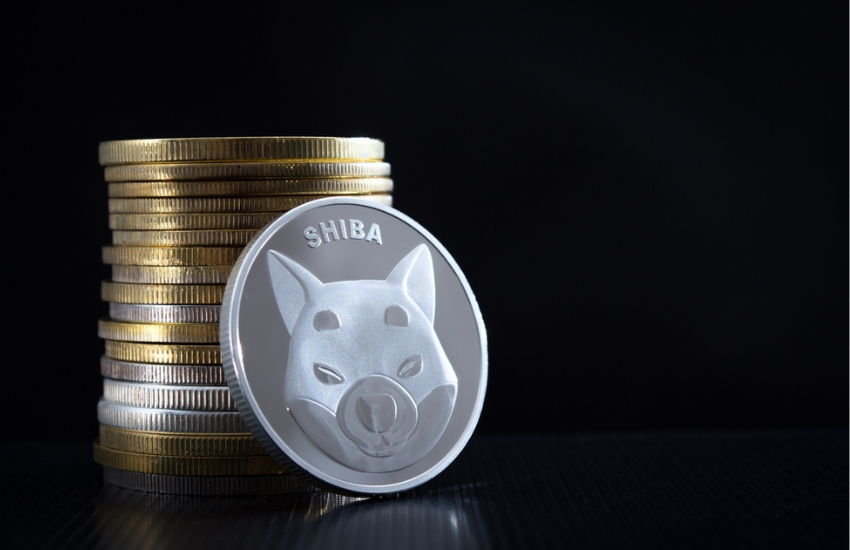
Shiba Inu is not just a breed of dog from Japan; it’s also a decentralized cryptocurrency that has captured the attention of investors worldwide. Originally created as a lighthearted parody of Dogecoin, Shiba Inu has evolved into a significant player in the crypto market, positioning itself as the so-called «Dogecoin Killer.» With its innovative decentralized protocols, Shiba Inu aims to provide unique advantages that appeal to traders and investors looking for emerging opportunities. This article will explore how Shiba Inu is gaining traction as a viable asset and what it means for those looking to diversify their portfolios in the ever-changing crypto landscape.
What Is Shiba Inu?
The Shiba Inu coin, commonly known as the Shiba coin or just Shiba, has garnered significant interest over the past few years. Named after the Shiba Inu dog breed, which became famous as the face of a popular meme, the Shiba Inu coin was launched in 2020 as a somewhat experimental project. Since then, it has become a phenomenon in the world of meme coins.
How Does Shiba Inu Work?
Shiba Inu was created in August 2020 by an anonymous founder named ‘Ryoshi.’ The coin is named after the famous Shiba Inu dog breed. It should not be confused with Dogecoin, which also uses this breed as its mascot. Instead, Shiba Inu calls itself a «Dogecoin Killer.» Similar to other cryptocurrencies, Shiba Inu operates on the Ethereum blockchain, providing both functionality and platform security. Shiba Inu trades at prices in fractional pennies. About 1 quadrillion authorized coins were issued, although approximately 40% of those coins were irreversibly “burned” by Ethereum co-founder Vitalik Buterin. This means they were effectively destroyed and cannot be used.
SHIB Applications
Shiba Inu was intended as a digital currency. It has since expanded to launch a decentralized cryptocurrency exchange, aiming to build a Shiba Inu ecosystem. Shiba Inu has several applications, including:
Digital Currency: Shiba Inu can be used for payments between users or companies that accept the token. However, this is not a competitive advantage compared to other cryptocurrencies, and SHIB is not widely accepted as a payment method. At the beginning of 2022, around 600 companies accepted Shiba Inu, compared to more than 7,500 that accepted Bitcoin, the leading cryptocurrency.
Decentralized Cryptocurrency Exchange: By July 2021, the Shiba Inu team launched a decentralized exchange (DEX) known as ShibaSwap. DEXs are cryptocurrency exchanges that do not have a central authority. They are part of what is known as DeFi, or decentralized finance, which provides digital financial services without the need for banks or other financial institutions.
ERC-20 Token Exchange: ShibaSwap and other DEXs allow traders to exchange one cryptocurrency directly from their blockchain wallets for another without needing to register for an account or provide personal information. Since ShibaSwap is built on the Ethereum blockchain, it is possible to trade using ERC-20 tokens.
The Technology Behind SHIB
The Shiba Inu ecosystem is open-source, meaning that anyone can use the platform’s codebase to build applications. The ecosystem supports decentralized applications (DApps), platforms, and protocols that enable the creation of smart contracts on the Ethereum blockchain. Additionally, the ecosystem is home to the Shiba Inu token, also known as SHIB. SHIB, in essence, is an ERC-20 token created as a parody of the famous Dogecoin cryptocurrency, also known as DOGE. Users can use the Shiba Inu token to purchase goods and services within the ecosystem.
The Shiba Inu Ecosystem
The Shiba Inu ecosystem has three cryptocurrencies, all of which are ERC-20 tokens built on the Ethereum network:
- Shiba Inu (SHIB)
- Leash Dogecoin Killer (LEASH)
- Bone (BONE)
- ShibaSwap (SHIBASWAP)
Shiba Inu (SHIB): The flagship token of the ecosystem, positioning itself as an Ethereum-based alternative to Dogecoin (DOGE). SHIB has a global supply of 1 trillion tokens, of which 50% were burned, and the remaining 50% remains locked in Uniswap’s liquidity pool.
Leash (LEASH): Initially conceived as a buyback token tied to the price of Dogecoin but later changed to have a fixed supply of 107,566. It is highly variable and scarce, making it a very volatile token.
Bone (BONE): Acts as the governance token for ShibaSwap, a DEX that allows users to trade tokens, stake, provide liquidity, and earn rewards. BONE has a total supply of 230 million, with only 3% minted at launch; the remainder is minted through various mechanisms on ShibaSwap.
ShibaSwap (SHIBASWAP): A DEX that allows users to trade tokens, stake, provide liquidity, and earn rewards. ShibaSwap is compatible with SHIB, LEASH, BONE, and other ERC-20 tokens. It also has an NFT art incubator called Shiba Art, which allows artists to create and sell their NFT artwork.
NFTs
ShibaSwap also has a space for non-fungible tokens (NFTs). Their NFTs are known as Shiboshis. They are pixelated cartoon drawings of Shiba Inu dogs, each with unique characteristics. In addition, the Shiba Inu team is developing a Shiboshi game that will use these characters.
Advantages of Shiba Inu
Shiba Inu shares several characteristics with other cryptocurrencies but also has its unique advantages:
- Very inexpensive price (compared to Ethereum)
- Compatible with the Ethereum blockchain
- Popular cryptocurrency with a large volume of transactions
- Available on most major exchanges
- Strong and loyal community behind the coin
Disadvantages of Shiba Inu
However, not everything is perfect in the world of cryptocurrencies. Here are some disadvantages to consider when investing in Shiba Inu:
- SHIB is a meme coin with a potentially volatile price
- The token has unique characteristics compared to other currencies
- Comparatively low global adoption
Conclusion
In summary, Shiba Inu is more than just a meme coin; it’s a rapidly developing cryptocurrency that offers potential investment opportunities. By leveraging a strong community and a commitment to decentralization, Shiba Inu aims to carve out its niche in the crypto market alongside its three key assets: SHIB, LEASH, and BONE.
As it seeks to enhance the non-fungible token space and showcase the benefits of community-driven projects, Shiba Inu invites traders and investors to consider its unique offerings. While its journey as the «Dogecoin Killer» is still unfolding, Shiba Inu’s innovative approach could very well make it a notable contender in the world of digital assets.